Essay
Notes From the Summit of Mount Stupid
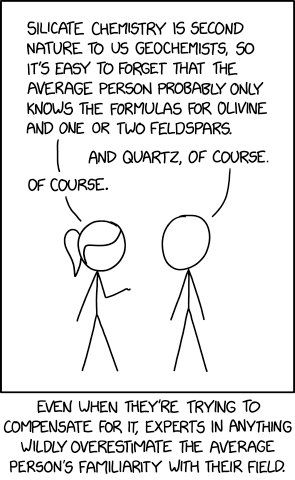
When you first learn something, you know enough to have opinions and not enough to know they're wrong. The internet calls this Mount Stupid. From the top you can see everything you know, which isn't much, and nothing you don't.
Origin
In 1995 a man robbed two banks in Pittsburgh with lemon juice on his face. Lemon juice is invisible ink. He reasoned it would make him invisible to cameras. He was arrested and was surprised.
David Dunning and Justin Kruger read about him and ran a study. They tested people, then asked how they'd done. The bottom quarter scored at the 12th percentile and estimated the 62nd. Doing something well and knowing whether you did it well turn out to be the same skill.
The chart is made up
That curve is not in the paper. The name comes from a webcomic in 2011. The valley and the slope were added later by people who needed a slide.
The data shows that almost everyone thinks they're above average, the worst are the most wrong, and the best underrate themselves slightly. Some statisticians argue most of the effect is an artifact. That argument is ongoing.
So the standard illustration of overconfidence is a chart most people cite without having read the source. I have nothing to add to that.
Security
This industry issues certainty early. Two weeks with a scanner makes a pentester. A certification makes an architect.
AI made it faster. It gives you working code without the knowledge to see what's wrong with it. The code runs, so you believe it. You can't see the injection flaw for the same reason he couldn't see the problem with the lemon juice.
Descent
Ask what would prove you wrong. Look for it.
Have someone better review your work. It will be unpleasant. It's supposed to be.
The newer you are to something, the less your confidence means.
If you run a team, make it safe to say "I don't know." Otherwise they'll all stay up there with you.
Experts say "it depends." Then they tell you what on. That's how you can tell.