Essay
Burnout Is a Leadership Problem
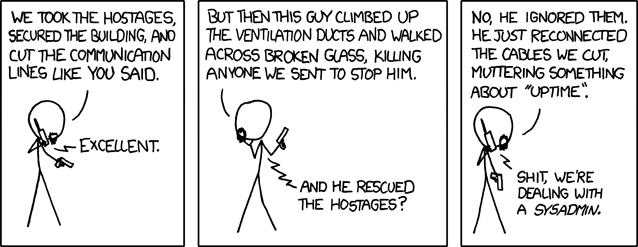
A mentor of mine retired from the military as a lieutenant colonel. He described part of his job as putting up the shield. Things rolled downhill toward his soldiers constantly. He stood in the way. Some of it had to reach them. Most didn't.
Security has more things rolling downhill than most fields and fewer people standing in the way.
Definition
The World Health Organization defines burnout as the result of chronic workplace stress that has not been successfully managed. Managed. It is a management failure by definition. The wellness webinar is addressed to the wrong people.
Mechanism
Security work has no end. Every alert, finding and CVE is something someone could do, and there are more of them every month. If nobody decides what won't be done, the team attempts all of it. They can't. They work longer. Then they leave.
Deciding what won't be done is the leader's job. So is defending the decision.
The shield
State the shortfall with numbers. Six people, work for eleven. Say what the missing five would be doing and what is therefore not happening. If you don't say it, the people above you will assume it's fine.
Describe threats as business impact. Nobody funds "critical vulnerabilities." They fund "billing is down for a week." Give the range and what each end costs.
Write down what the team will do this quarter. Write down what it won't. The second list is the shield. A new demand either replaces something or gets refused.
Deliver the refusal yourself. Upward. Not through an analyst.
Technical-only leaders
Most security leaders were the best technician. That is no longer the job. A leader who can't explain risk to non-technical people, or won't push when they don't listen, isn't shielding anyone. Everything from above goes straight through.
Assertive doesn't mean unpleasant. It means having the difficult conversation with your boss so your team doesn't pay for the one you avoided.
Quiet, agreeable leaders are well liked. Their teams burn out too. It just takes longer for anyone to mention it.
Non-technical leaders
The opposite failure is just as common. Put someone with no technical depth in charge of technical people and the team languishes. That leader can't tell urgent from loud, can't judge an estimate, and can't refuse a bad demand because they don't know it's bad. Everything gets through again, for a different reason.
The team also stops respecting the decisions. That is its own kind of tiring.
What organizations should do
Technical depth is the precondition. It can't be taught in a seminar. So start with a technical person, promoted from inside or hired, and then invest in the rest: leadership, conflict, negotiation, talking to executives. Those can be taught. Almost nobody bothers.
What usually happens is the best engineer gets a title, a team and no training, and everyone waits to see whether they work it out. Some do. The rest produce the teams this post is about.
Diagnosis
If your team is exhausted, don't ask what's wrong with them. Ask what you let through.